Biographical articles are available free of charge without registration. Most of the biographical articles are first drafts of work in progress and may have some errors of grammar, repetition and structure, of which we are painfully aware. They are intended to introduce readers to the subject matter while we work on a full biography. We intend to revise and correct these texts over the next few months, when time and health will permit. The exceptions are 'The Swing of the Pendulum' and 'Shaman or Showman?' articles by Peter Davison, which are finished pieces of work.
Perusal scores are available free of charge to Registered users.
To view Perusal Scores, please Register or Log In (Top Right) and select from available categories. (Above Right)
Audio files are available free of charge without registration
please scroll down, or select Audio Files category (Above Right)
Please scroll down for downloads list.
Shaman or Showman?
Peter Davison examines Lloyd's personality and music in the context of his bohemian upbringing, his mystical beliefs and his use of alternative therapies in the wake of his wartime injuries.
“When faced with the imaginative and technical difficulties of creating a large scale work of art while trying to earn a living, many artists and composers come to believe they never had a real choice, for their art has chosen them. Should they decline the challenge, they will likely suffer unpleasant withdrawal symptoms, as if the creative energies latent in the unconscious mind may not be blocked without consequence.”
In this 9000 word article, Peter Davison brings together several aspects of Lloyd's psychology - the influence of Carl Jung, the composer’s reliance on alternative therapies such as hypnosis and meditation to overcome his shell shock, and his use of semi-trance states in composition, all combined with a hard-edged practical realism.
George Lloyd and the Crisis of Romanticism
by Peter Davison
The composer George Lloyd (1913-98) was for many years an 'outsider'; his reputation damaged by the pendulum’s swing away from Romanticism towards extreme forms of Modernism. In this extended article (15,000 words), musicologist Peter Davison, (previously Artistic Consultant to Manchester’s Bridgewater Hall) charts the conflict between Romanticism and Modernism, explaining how modernist orthodoxy triumphed after the Second World War.
With the re-emergence of tonality and tuneful composition in our own times, this is the right moment to re-evaluate the remarkable life and work of George Lloyd, treating him as pivotal cultural figure.
Davison concludes: "I discovered a man of thoughtful integrity, a modest man of great talent, someone who was determined to be himself regardless of the pressures placed upon him. His success late in life was richly deserved, and his music shows that a romantic outlook can still be relevant in the contemporary world.”
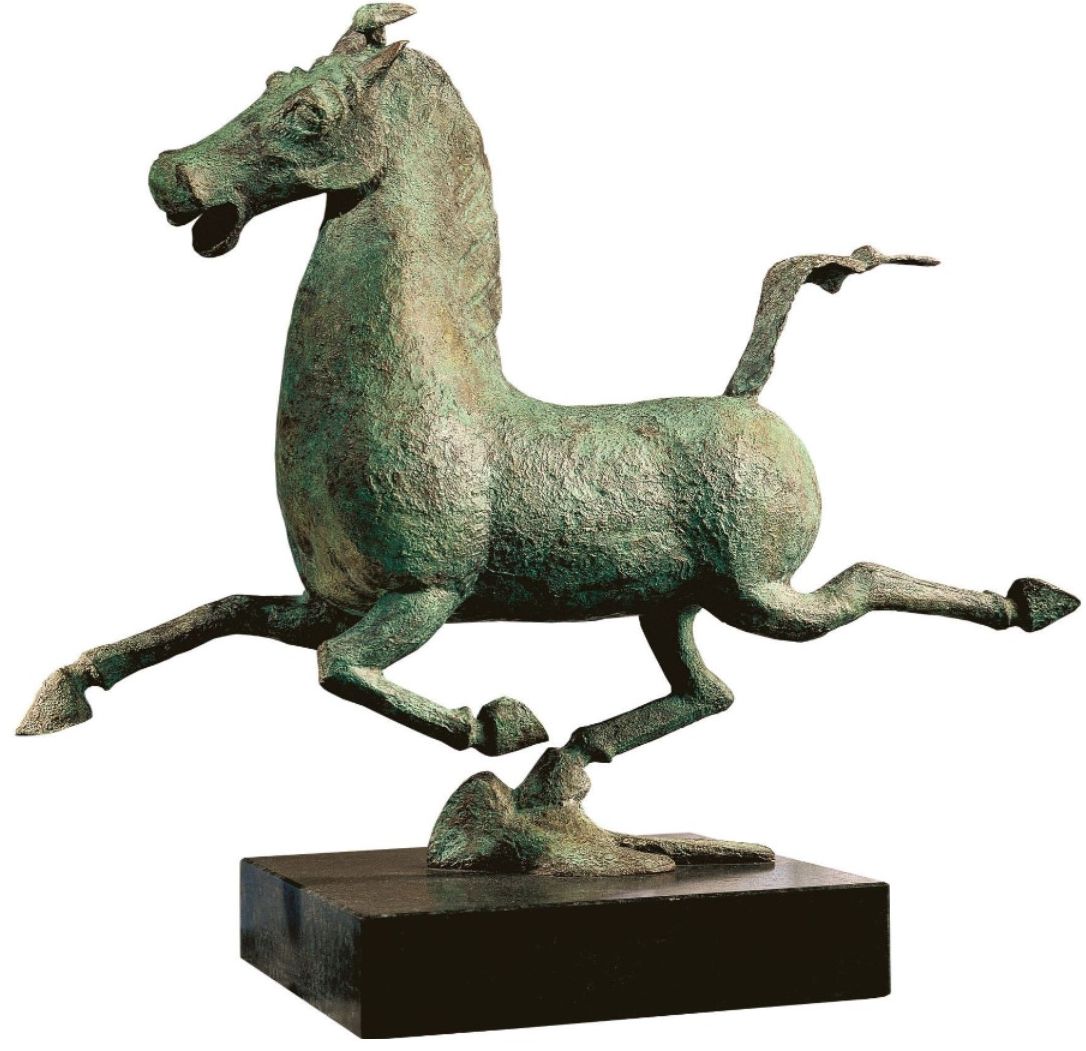
King's Messenger
A 3000 year old poem by Confucius, with a family connection
King’s Messenger was commissioned for the 1994 European Brass Band Championship. The work takes its title from a poem by Confucius, and the composer’s interest in the poem arose in part because the Odes of Confucius are believed to be the oldest authenticated songs in existence, but the poem also had a personal resonance with Lloyd's immediate family as his father and grandfather had both served as military couriers, carrying sensitive wartime intelligence information.
His father Major William Lloyd was an Admiralty Courier, carrying top-secret code books to Royal Navy warships and submarines during World War Two. His grandfather Captain Walter Lloyd carried out reconnaissance and gathered military intelligence during the Mount Lebanon Civil War of 1860, while serving on HMS Leopard.
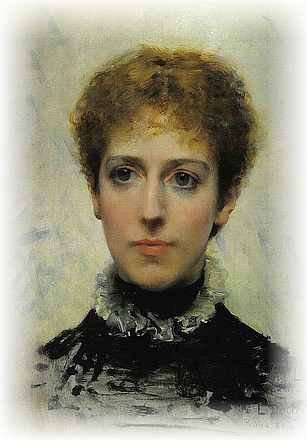
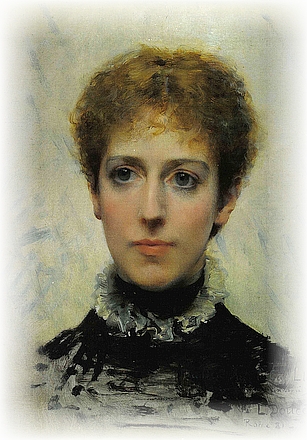
George Lloyd's grandmother - an American painter.
George Lloyd’s grandmother, Frances, was impractical at domestic work of any kind, did not see dust at all and lived in a terrible muddle. She was also an opera singer, a fine painter, a committed Theosophist and a pioneer early member of the St Ives Artists’ Colony. This is her story...and more to come.
First of three articles - please check out the others.
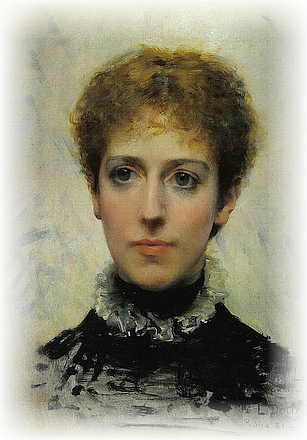
New York - Paris - Rome - St Ives
We trace Frances' progress from training as an opera singer in New York, learning to paint in Paris,
her Bohemian life in Rome to the early days of the St Ives artists colony.
Zennor, near St Ives, Cornwall
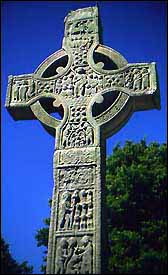
Frances painted a series of tempera landscapes around the village of Zennor when she lived at Bridge Cottage in the late 19th Century. These paintings have been reproduced as a set of postcards, which have been photographed against the original landscape to make an intriguing series of time lapse comparisons.
Born into an artists' colony in the far west
George Lloyd's father Will grew up in the bohemian artists' colony of St Ives, Cornwall, where he studied painting, wrote a book on Vincenzo Bellini, and was the Secretary of the pivotal St Ives Arts Club. He inherited a fortune, married young, then lost most of it. He and his wife Prim, and his mother Frances were at the heart of the musical and artistic community in St Ives in its Edwardian heyday. George Lloyd was born into that Romantic and artistic otherworld less than a year before the cataclysm of the First World war.
The making of a musician
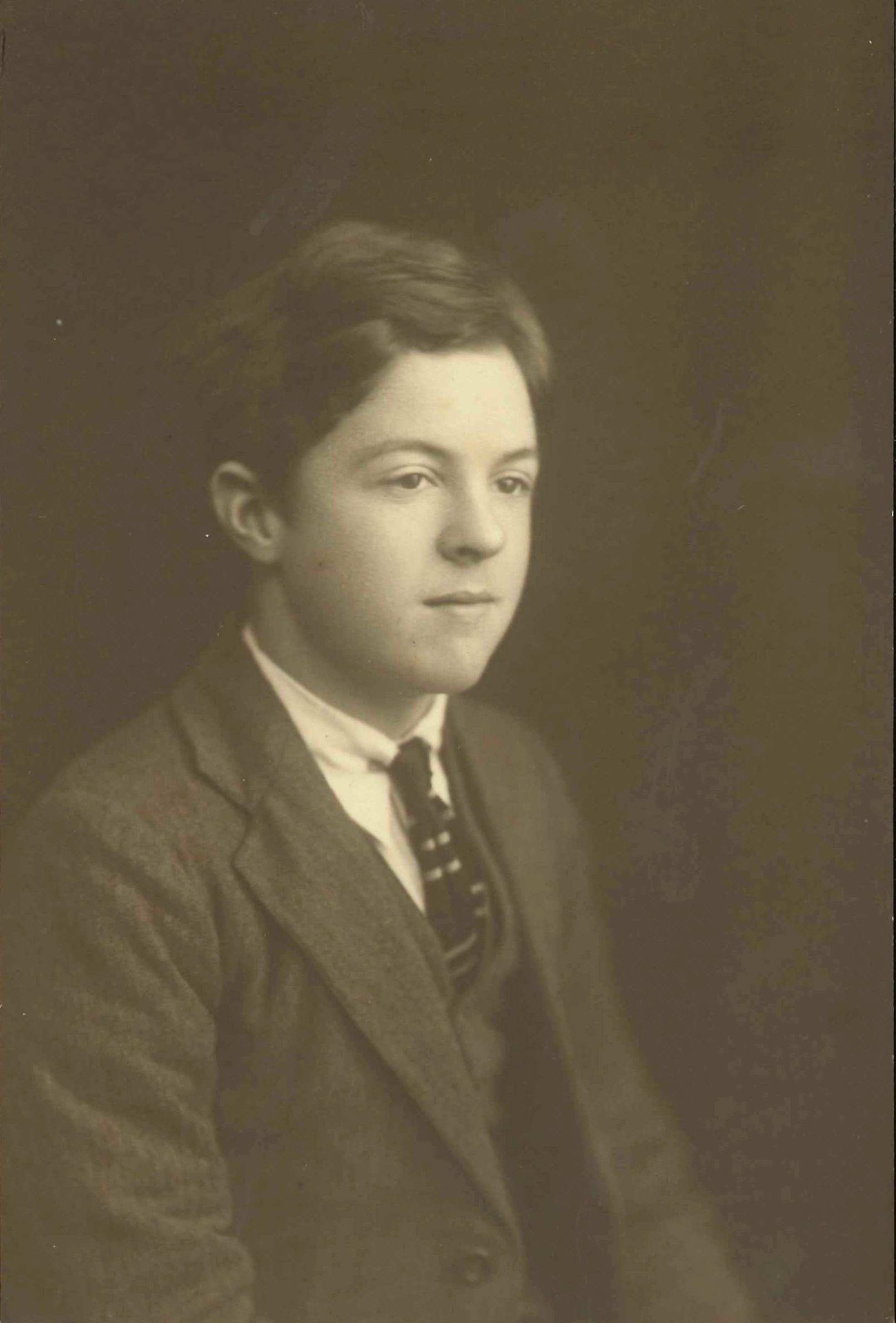
George Lloyd suffered recurring bouts of rheumatic fever when he was a child. He did not attend school until he was 12 and left when he was 14, when he decided that he was going to be composer and demanded a proper musical education. After a year at Chichester Cathedral he studied with violin virtuoso Albert Sammons, then composition with Lovelock at Trinity College, with Kitson at the Royal Collage and with Farjeon at the Royal Academy. At the age of 18 he waved his professors goodbye, and struck out on his own, writing three symphonies before he was 21, and having them performed and broadcast by the BBC.
George Lloyd had arrived.
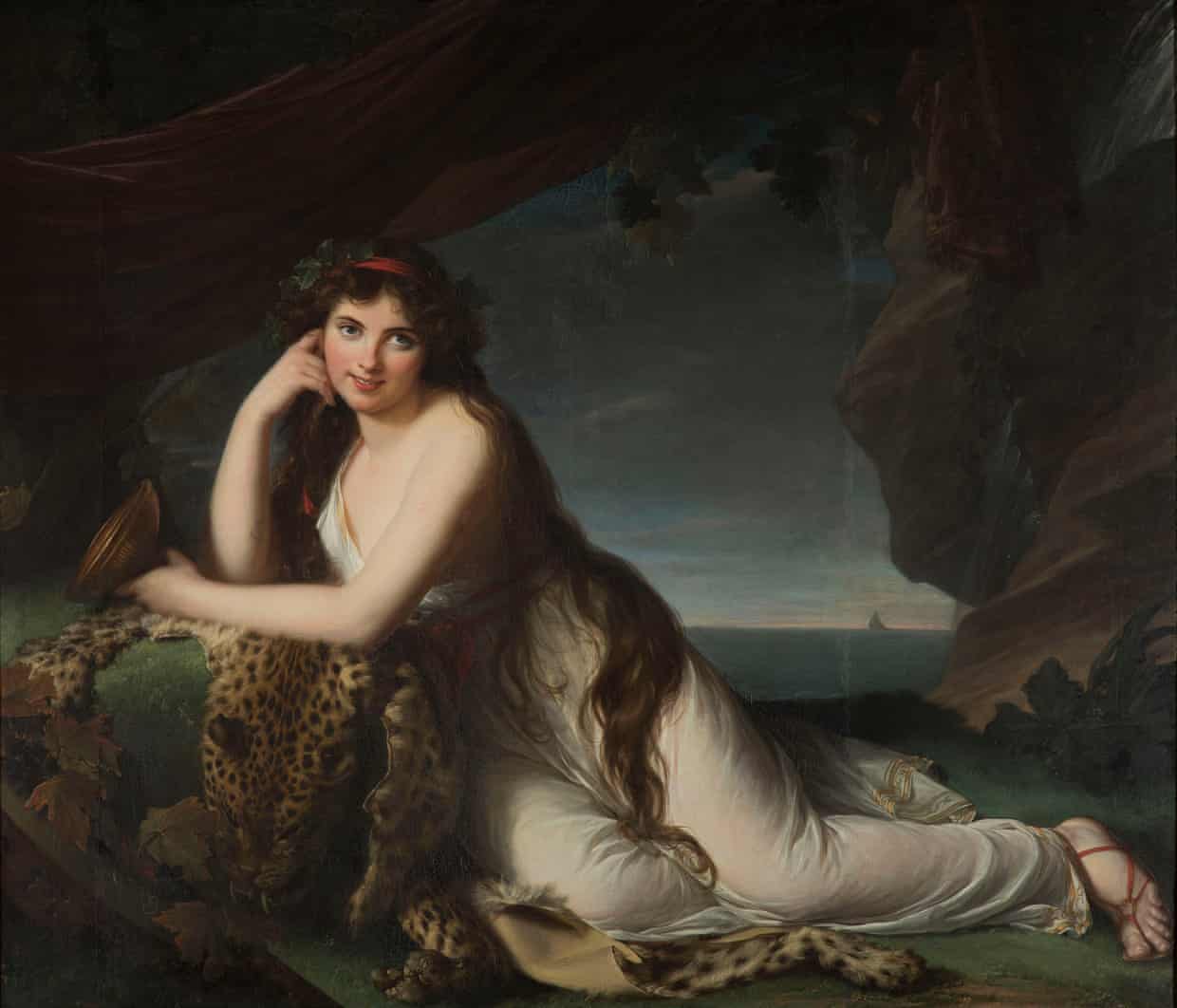
After being accepted as a pupil by Albert Sammons, it was clear that George needed a good instrument, and by extraordinary good fortune, a fine 18th Century violin made by John Betts, was found for him through a family connection. The violin came with a letter, stating that it had once belonged to Lady Emma Hamilton. Download the full story here.
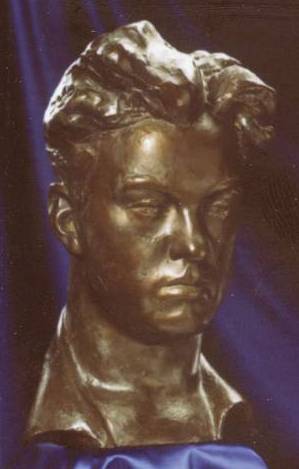
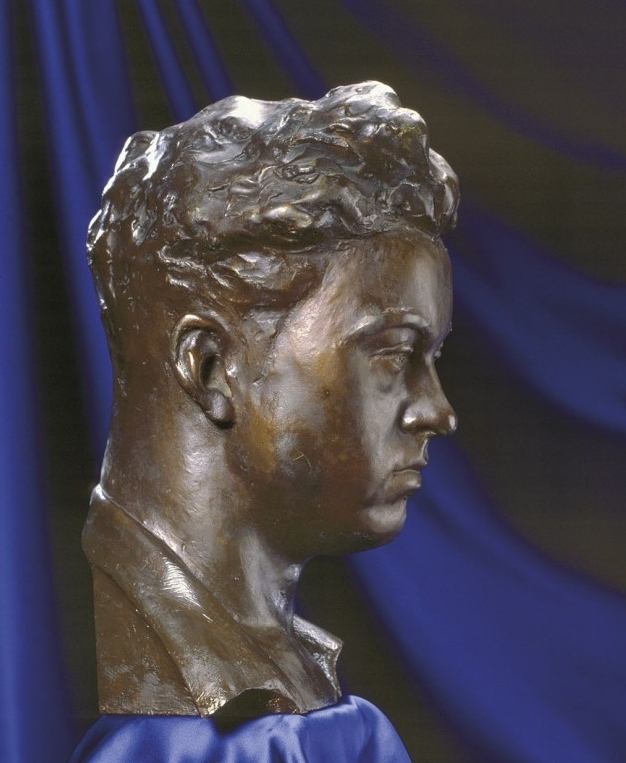
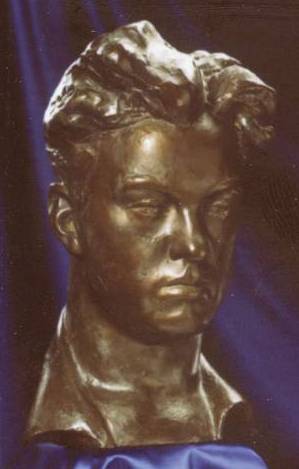
by sculptor Wilfred Dudeney RBS
In 1935, following the success of the opera Iernin, a London barrister, Mr Albert Ganz commissioned a young sculptor, Wilfred Dudeney to execute a bronze portrait head of the composer. It was Dudeney's first commission after leaving art school. The bust was damaged by bombing during World War II, and 60 years after he created it, Wilfred Dudeney was commissioned to put it back together, so by a curious quirk of fate, it was also his last commission. This is the story.
For more information about Wilfred Dudeney's work, please visit
https://sculpture.gla.ac.uk/view/person.php?id=msib3_1216821491
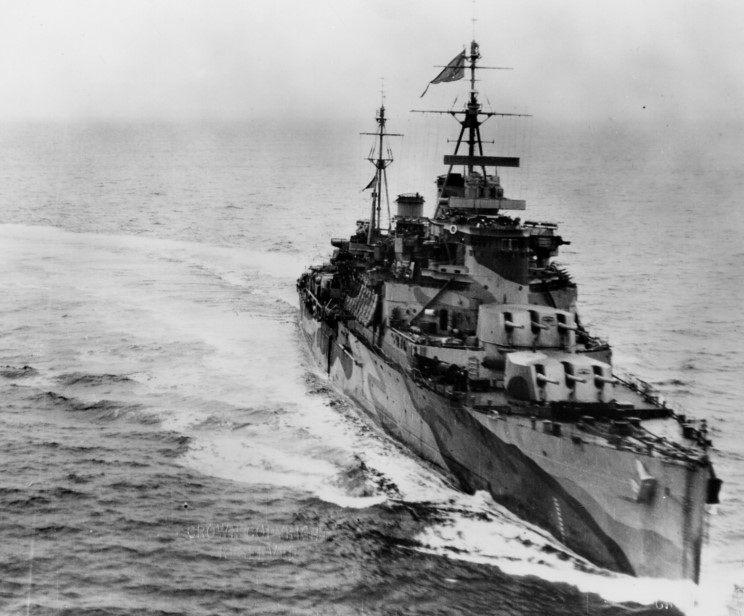
Nightmare in the Arctic - The full story
A complete account of George Lloyd's experiences on HMS Trinidad,
including sea trials, Arctic convoys, the torpedo strike, PTSD, recovery and aftermath.
From letters, correspondence and first hand accounts.
Image: HMS Trinidad at sea, at speed. 1941
(She was fast - max 33 knots. Click to enlarge)
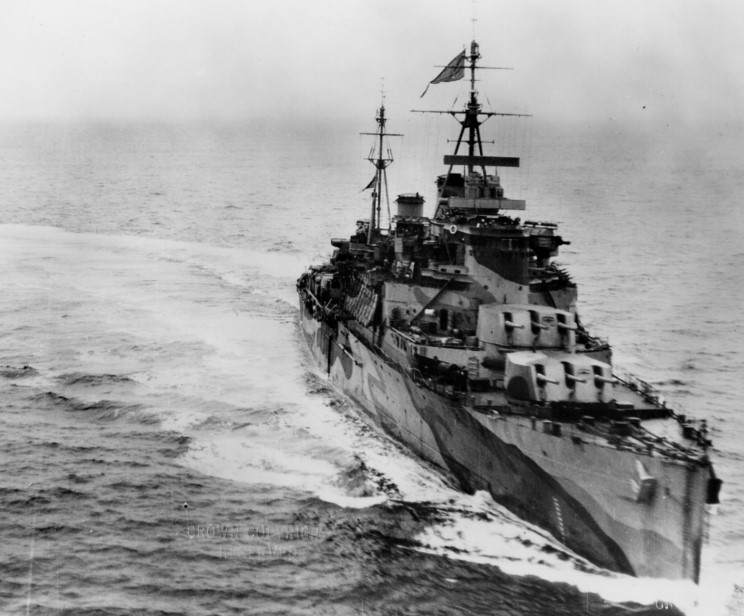
As part of my research for a biography of the composer and RM Bandsman George Lloyd, I have found this excellent account of the movements of HMS TRINIDAD, from her commissioning in December 1941, through her deployment as convoy escort, patrolling against TIRPITZ, to her sinking in April 1942. Thanks to Naval History Net for their excellent site.
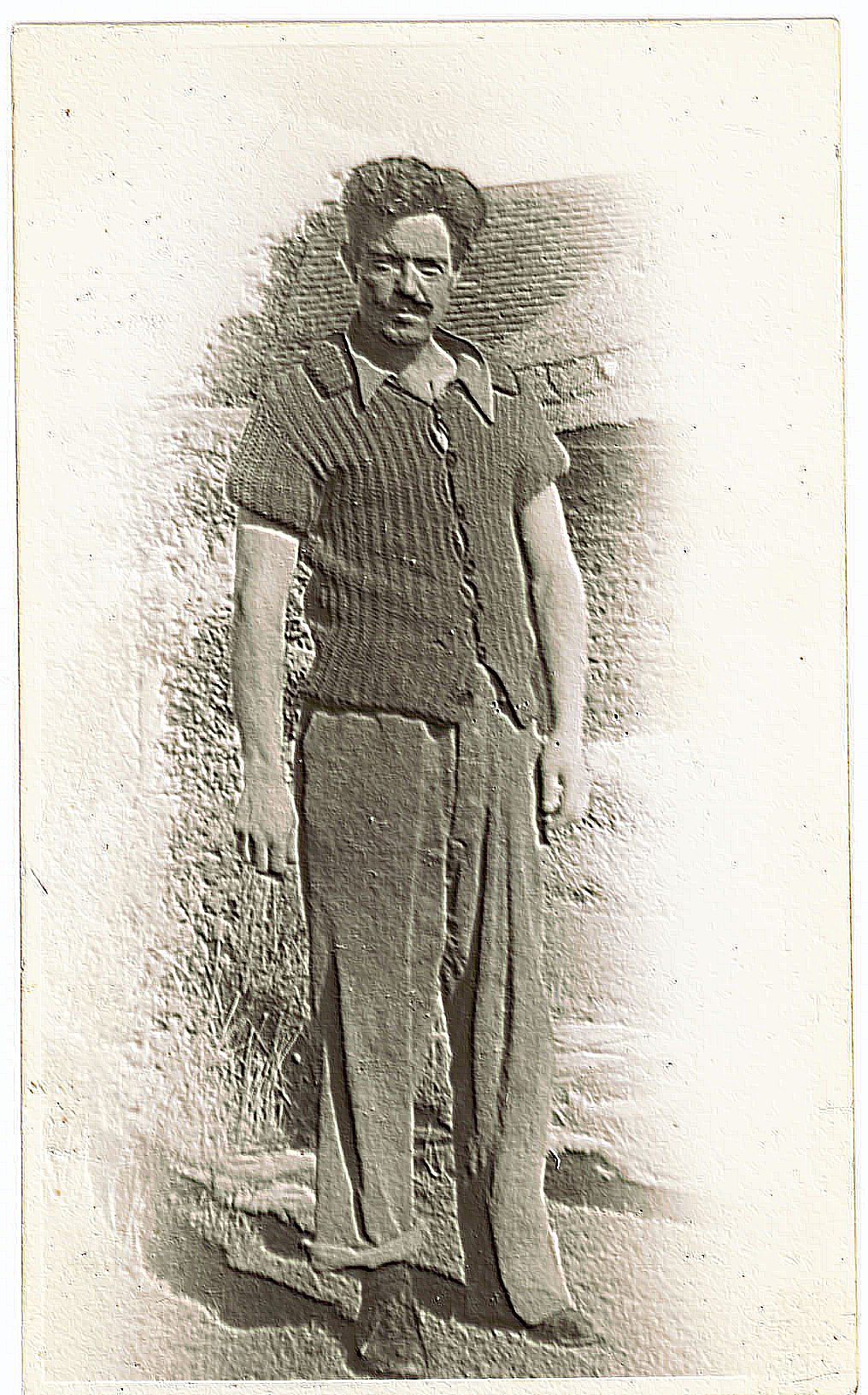
- and the long, slow road back to health (short version)
Jonathan Davidson, Emeritus Professor of Psychology at Duke University, examines the life of George Lloyd in the context of his war-time trauma and the unorthodox but effective techniques he used to overcome it.
This is a shortened version of a more detailed article which first appeared in Music & Medicine | 2018 Volume 10 Issue 1. For copyright reasons the original article is available only to subscribers to The George Lloyd Society, or direct from Music and Medicine.
- and the long, slow road back to health (full version)
Jonathan Davidson, Emeritus Professor of Psychology at Duke University, examines the life of George Lloyd in the context of his war-time trauma and the unorthodox but effective techniques he used to overcome it.
This article first appeared in Music & Medicine | 2018 | Volume 10 | Issue 1
Reprinted for members of the George Lloyd Society by permission.
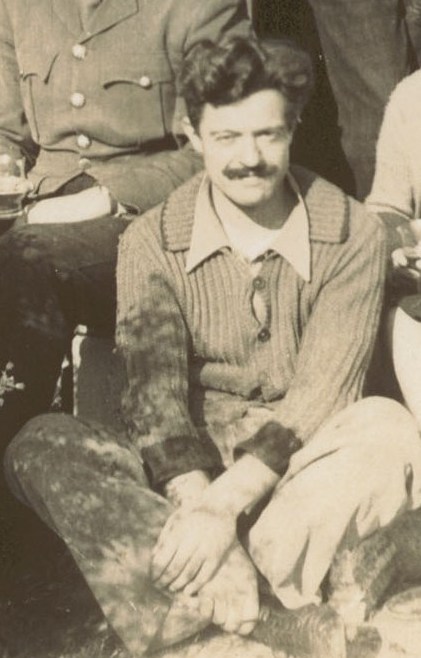
Switzerland and London
As soon as the war ended, Nancy took George to her home in Chateaux D'Oex, among the high mountains and valleys of Switzerland. Nancy worked as a chambermaid, while he recovered. After two years he was able to control his shaking enough to hold a pen and start writing again. After another 4 years he was well enough to return to London, with two new symphonies under his belt, looking for performances.

Scoring John Socman
Within a few months of his return to England, George was elevated to the highest ranks of opera in England. Along with Ralph Vaughan Williams and Benjamin Britten, Lloyd and his father were commissioned to write an opera for the Festival of Britain. It took two years to write, and his opera was the only one of the three to be delivered on time, but the chaotic production caused another breakdown.
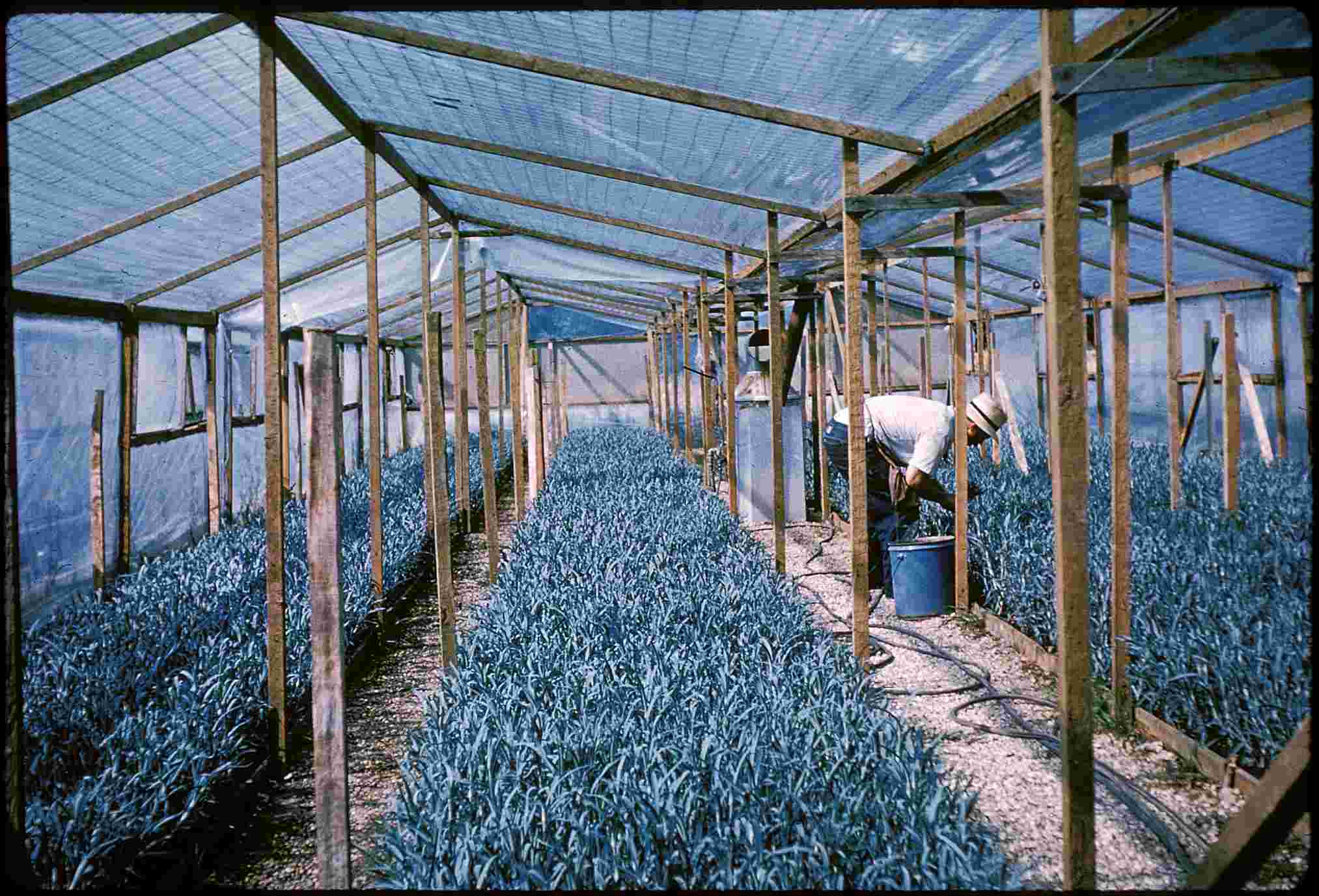
Breakdown - and therapy through labour
After the double hammer blow of the fiasco of John Socman and the death of his father, George's health collapsed. He lost himself in building a market garden business, and when he was functioning again, the world had moved on. Modernism replaced Romanticism, and he could not get performances. He carried on composing, working for a few hours a day in the early morning, with little hope of performances, but in 1964 he found a great friend and ally, the virtuoso pianist John Ogdon.
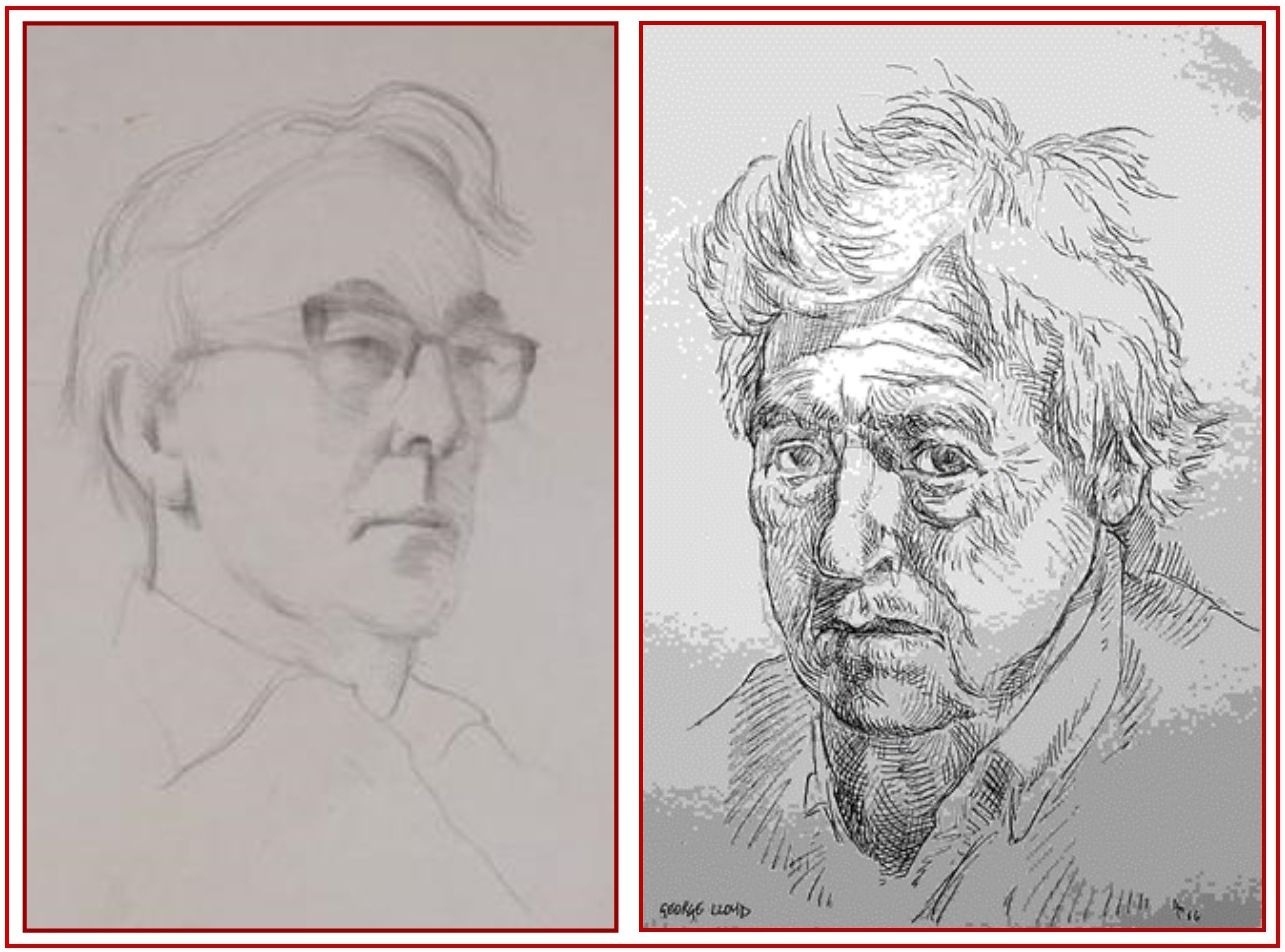
Charles Causley and George Lloyd - and Nancy
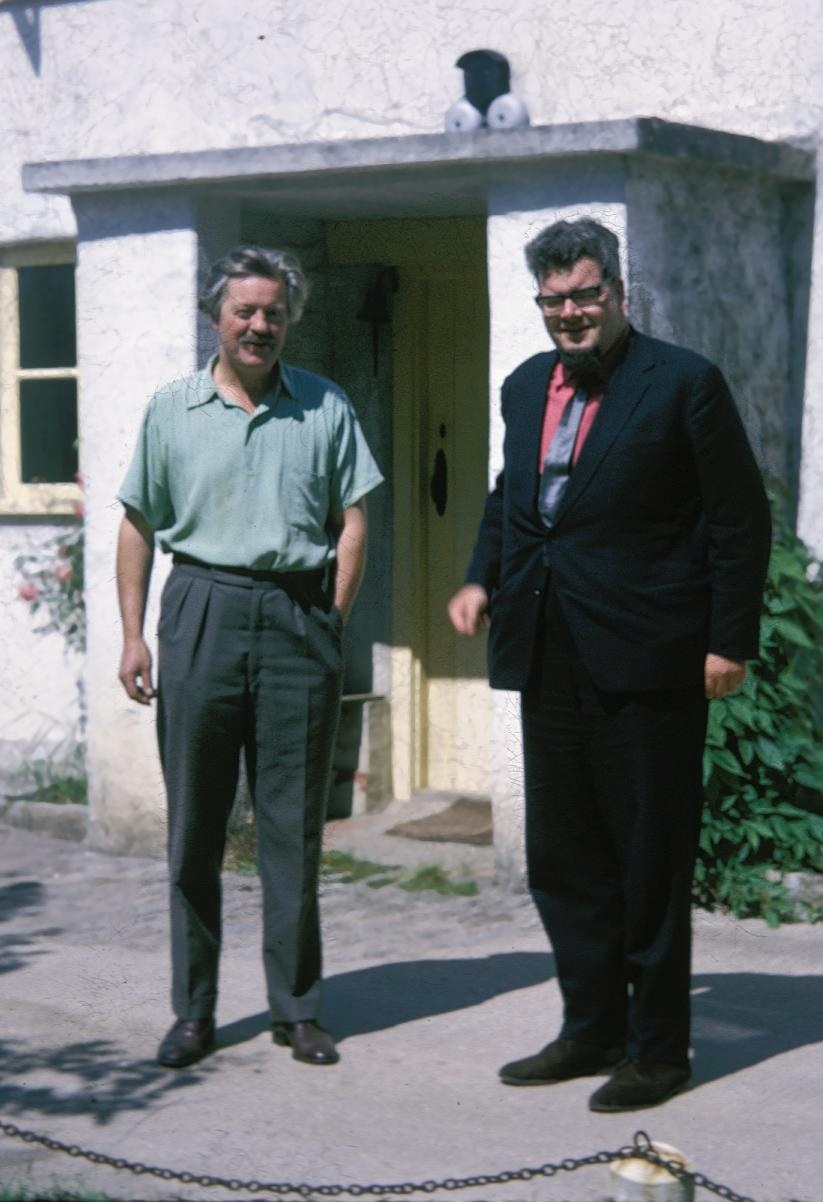
In 1956, Cornish poet Charles Causley and Cornish composer George Lloyd were commissioned by the BBC to make an opera,
The Burning Boy. The poet and composer dined and worked on the piece together at Ryewater.
Causley was clearly enamoured of Nancy’s skill with the icing sugar and wrote her a poem:
Mistress Lloyd's Fancy.
Here is how it happened...
Carnations, mushrooms, and performances
With the help of piano virtuoso John Ogdon, who came to him for lessons in composition, George found support from Sir Charles Groves and the Royal Liverpool Philharmonic. He began to write for the piano, producing three piano concertos and half a dozen large works for solo piano, and had the score of his 8th Symphony accepted for broadcast by the BBC. His flowers and mushrooms were getting top prices at Covent Garden Market - but only if he blessed the seed before it was planted.

Macbeth Media Relations
Includes summary, fact sheet, and several features.
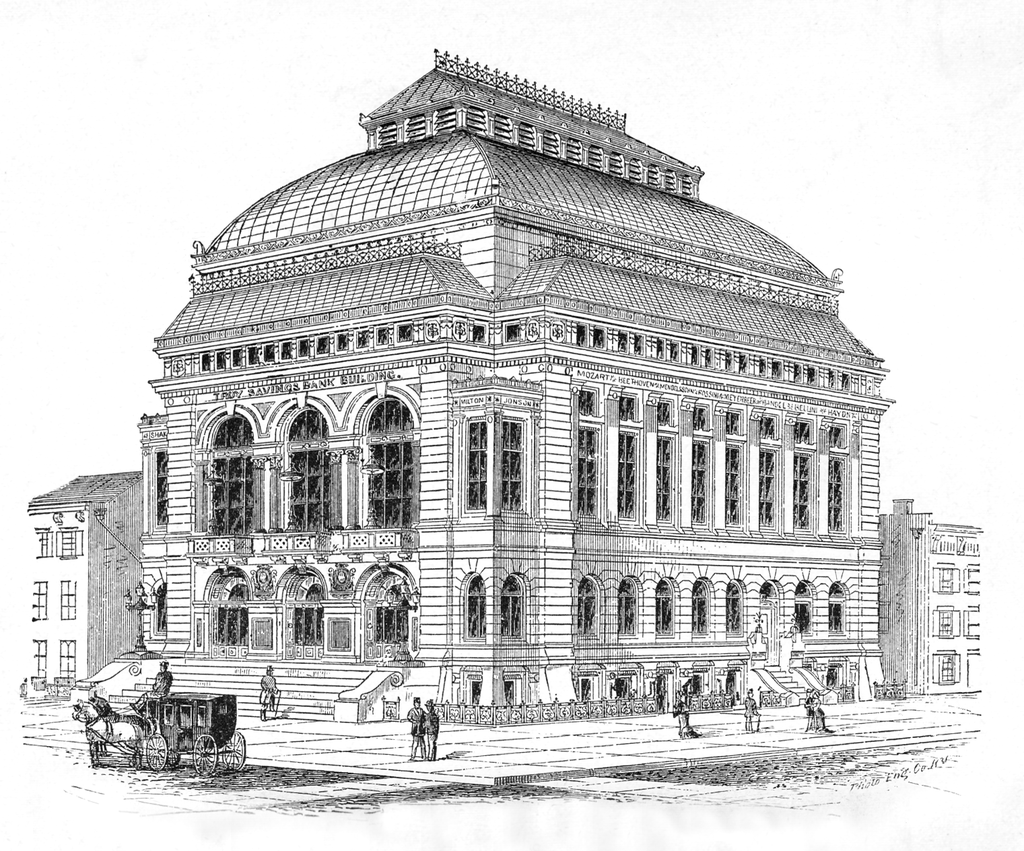
Scott Cantrell interviews George Lloyd
on the occasion of the Premiere of 11th Symphony
in the Troy Music Hall, Albany, NY State, in 1989
(Transcript)
Lloyd was less guarded in interviews when he was 3000 miles away across the Atlantic, and with his name up in lights on a billboard outside the building. In this relaxed interview he discusses among other topics his composition technique, the state of musical education, the cultural divide with the BBC, and the structure of his 11th Symphony.
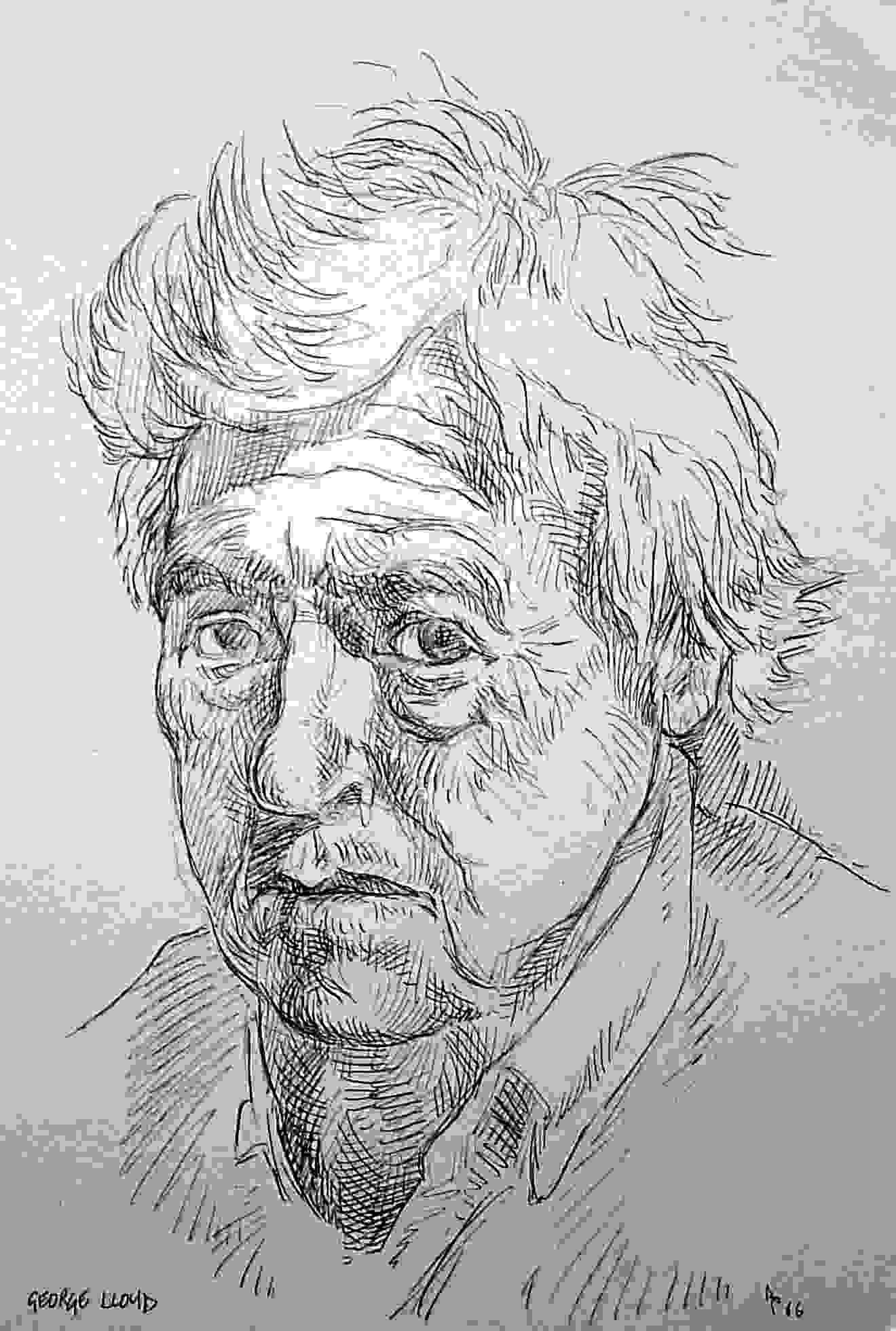
Article from 20:20 Magazine
Ian MacDonald makes an unusual case for the relevance
of Lloyd's traditionalist values
"Lloyd’s Celtic/Hellenistic otherworldliness explains much about him which academic analyses of his style and formal techniques can't. For example, his traditionalist sense of 'meaning' in music and life, naive to the modernist, clearly derives from intimations of a spiritual dimension co-existent with the material one. The same can be said of his ideas about creative inspiration, so similar to those of mediums: "Something comes into my head and I see either a colour or a sound. It's not at all intellectual. I don’t just manipulate notes. I just get a feeling and then the notes come along."
Possibly Lloyd is himself mediumistic (his childhood illnesses and experience of shellshock point that way). This might explain why his inspiration, dependent, like a medium’s 'communications', on fluctuations in his physical vitality. It would also account for Lloyd's trance like Schubertian expansiveness. While this will seem like nonsense to militant modernists, it needs pointing out that their scepticism, whether philosophical or artistic, explains little of any interest about an anomaly like George Lloyd. If he is truly ‘en rapport’ with another era - a composer of Elgar's time alive and writing in, and about, our own - we ought, rather than sneer, to be grateful for the alternative view. For one thing, it's not as if his contemporary competitors are composing so much that's worth getting excited about. For another, it's a safe bet that the best of Lloyd's music will outlive them all."
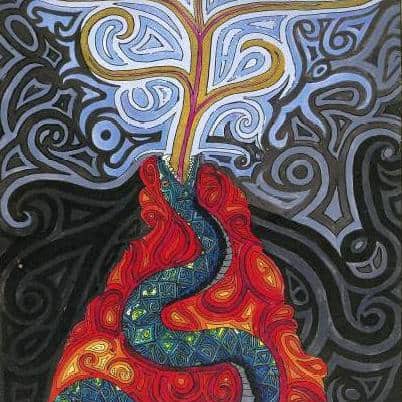
Where does the music come from?
Involuntary composition and writing by inspiration.
William Lloyd looks for precedents among composers who 'write what they have to write.'
George Lloyd grew up with a passion for Italian opera, with immense admiration for Verdi's ability to translate intense emotions - love, hate, and grief - into marks on a page, which would then fill a theatre with popular music. He was taught by his father at an early age that there were two kinds of music composition: 'felt' music and 'concocted' music, and that the former was more likely to find public favour although it could not easily be written to order.
Lloyd had no desire to emulate the imperial splendours of Elgar, or the arrangements of folk-music favoured by Vaughan-Williams, but he regarded the full-size symphony orchestra as one of the glories of Western civilisation. He said "I was seduced by the high soprano voice, soaring over the orchestra'.' He was a talented and precocious violinist, with a love for the brilliant sound of the brass section and the deep rich tones of the tuba; he adored rich harmonies, dramatic shifts in dynamics and tempo, and subtle rubato, and he was unwilling to give up these characteristics of Romanticism for the sake of a fashion or academic diktat. He studied serialism, aleatorics and other modernist forms of note manipulation, and rejected them because 'They perpetrated horrible noises and made composers forget how to sing.'
Although he rejected the prevailing intellectual orthodoxy, he was, in the words of Lewis Foreman 'a true naif - he was no fool.' Although he recognised that both the source of great melody was true emotion, it was clear that composition required a intellectual effort, matched with discipline and a rigorous technical knowledge. He could acquire the discipline and the technique by study and practice, but he relied on his subconscious to provide the melodic foundations on which he constructed his pieces.
Although this reliance on trance-states and inner prompting was anathema to the modernist aesthetic, as a method of composing it had a long and impressive pedigree. Brahms, Mozart, Schumann, Puccini, Strauss, Mahler, Yeats and Tennyson all acknowledged that the music came through them in some way, as if 'from another place.' Among popular music writers, Jim Morrison, Little Richard, John Lennon and George Harrison, Keith Richard and The Rolling Stones, Billy Joel and Sting all spoke of transcendent states when they wrote music.
In this brief review, the composer's nephew William Lloyd sketches out what these musicians have said about their methods. For more detailed treatment of George Lloyd's own technique in the context of his lifelong interest in mysticism, please refer to the articles by Peter Davison, above.
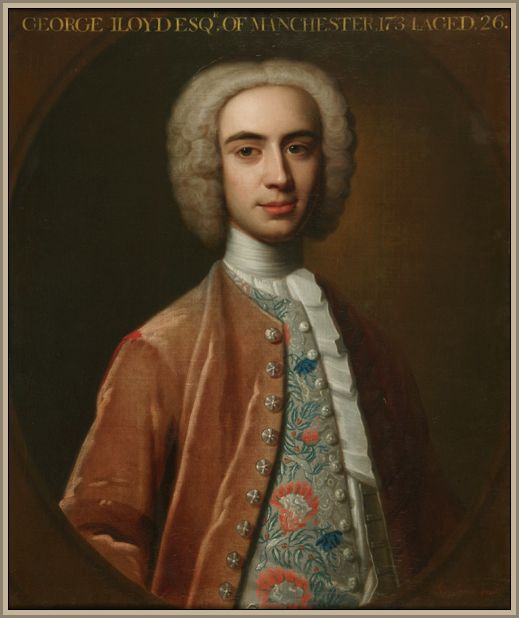
The Lloyd family in 18th Century Manchester:
Composer George Lloyd identified as a Celt. His maternal grandmother Annie Dwyer was Irish and his paternal grandmother Frances Powell was American with part Welsh, and part Polish ancestry. The male line of Lloyds was an ancient Welsh family, which took great pride in their thousand year Welsh genealogy. They left Wales in the 17th Century and established themselves in Manchester, where they became prominent radicals, reformers and activists.

Doctoral Thesis at University of Salford
This short article introduces Richard Harvey and plans for his Doctoral thesis
and a collaboration with the George Lloyd Music Library and Archive
Chris de Souza interviews George Lloyd
An illustrated full transcript of the interview with friend and BBC Producer, de Souza.
in which Lloyd looks back at the crests and troughs of his life, following his early success at the age of 19.
In this interview he is relaxed and speaks freely with his friend Chris de Souza,
who produced the BBC recording of the opera Iernin in 1994 and the
BBC Radio 3 tribute to the composer after his death in 1998.

Echoes of Romanticism - Article and notes
Notes to the video playlist available at https://youtu.be/CyZCAGAhoeo
A 3000 word article tracing the origin of George Lloyd's grounding in Romantic and late-Romantic culture, through the influences of his his Celtic, American, European and Cornish upbringing.
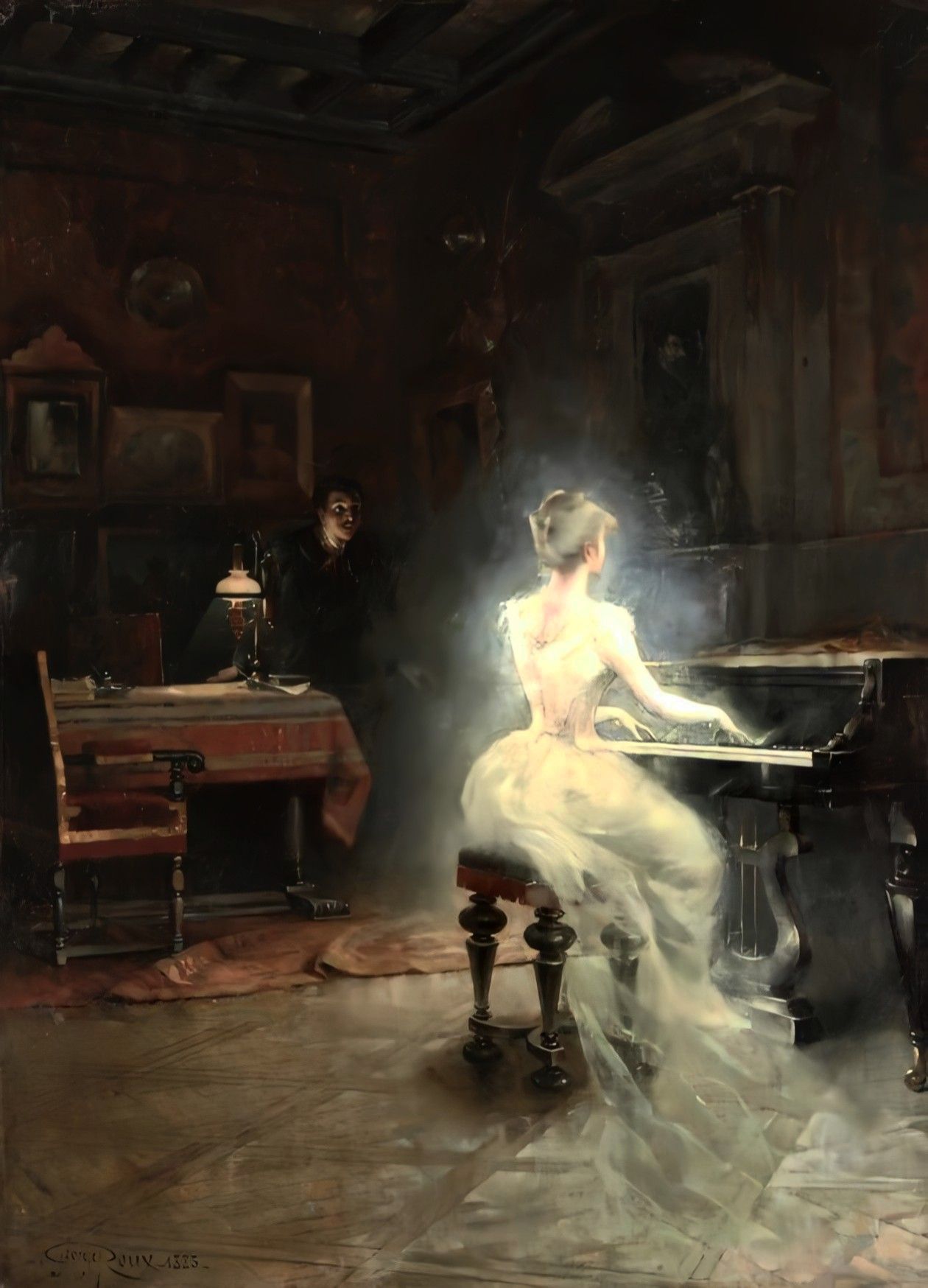
Echoes of Romanticism - Image catalogue
A PDF catalogue, listing 100 images from the video playlist 'Echoes of Romanticism' available on YouTube at https://youtu.be/CyZCAGAhoeo.
The catalogue provides details of artists, title, source of images, and connections with the composer and his family in St Ives, 1900 - 1933. The catalogue is not necessary for watching the video, but provides relevant biographical information placing Lloyd's music in the late-Romantic context from which it came. A 3000 word article setting out more detail of George Lloyd's unconventional bohemian childhood is available on the Blog page. https://georgelloyd.com/en/blog
"Writing which is real, and genuinely inspired. Immediately communicative, without a single facile bar. This, in my view, is one of the finest pieces of English choral writing of the 20th century." Gramophone, reviewing Symphonic Mass
Orchestration: 3 Fl.(3rd dbl Picc.) 2 Ob. 1 CorAng. 1 Eb Clar. 3 Fl.(3rd dbl Picc.) 2 Ob. 1 CorAng. 1 Eb Clar. 2 Bb-A Clar. 3 Bsn (3rd dbl DblBsn.) 4 Hrn. 4 Trpt. 3 Trbn. 1 Euphonium. 1 Tba. Hrp. Cel. Organ. Timp. Perc. (4 players: Glock. Tubular Bells. Xylo. Marimba. Sleigh Bells. Block. 2 Side D. Tenor D. Bass D. Cymbals. Tam-Tam) Strings
This file is optimized in size for downloading. For higher definition PDF, printed scores or vocal score, please contact us.
Written for, and adopted as, the official march of H.M.S. Trinidad. 1941
Re-orchestrated for the Orchestre de la Suisse Romande, Chateau D'Oex. Feb 5th 1946
Instrumentation: Flute, Piccolo, Oboe 1&2, B flat Clarinet 1&2, Bassoon 1&2, Horns in F 1,2,3&4, B flat Trumpet 1&2, Trombone 1,2&3, Tuba, Timpani, Percussion (Side Drum, Cymbals,Triangle,Bass Drum), Strings
Written in memory of bandsmen killed by terrorists,
in Regent's Park, London, 20th July 1982.
3 Flts; 2 Obs; 1 Cor Ang; 2 Clars; 1 Bass Clar;
3 Bsns; 4 Hrns; 3 Trpts; 3 Tbns; Timps;
1 Tenor drum (military) ; Strings
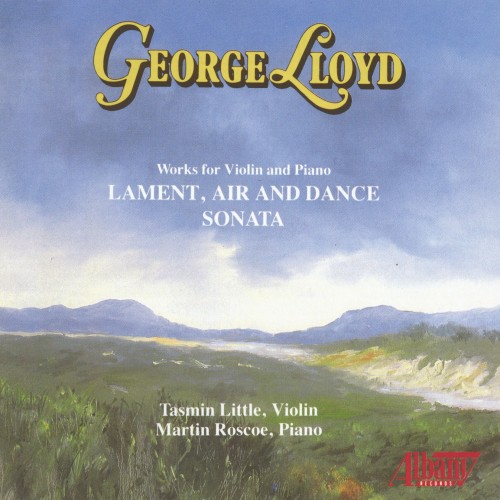
Lloyd's works for violin were written in the late 1970s and were the outcome of his renewed interest in the instrument. As a result of his war injuries he had been unable to play: the muscles and nerves of his left hand had become partly uncontrollable and remained that way until his general health improved many years later. For over 30 years he had almost no contact with musicians, with the exception of pianist John Ogdon, and his need for direct contact with sound other than what was in his head led him to take his fiddle out of its case at to see what would happen. He said himself that playing once again became an obsession, and despite the great difficulties in trying to regain an adequate technique, love for the violin completely devoured him. The result was a considerable amount of violin music, much of it unaccompanied, which he later destroyed.
This Air for Violin is a simple cantilena, reminding us that the violin is above all an incomparable singing instrument. This was Tasmin Little’s first commercial recording, made in 1989.
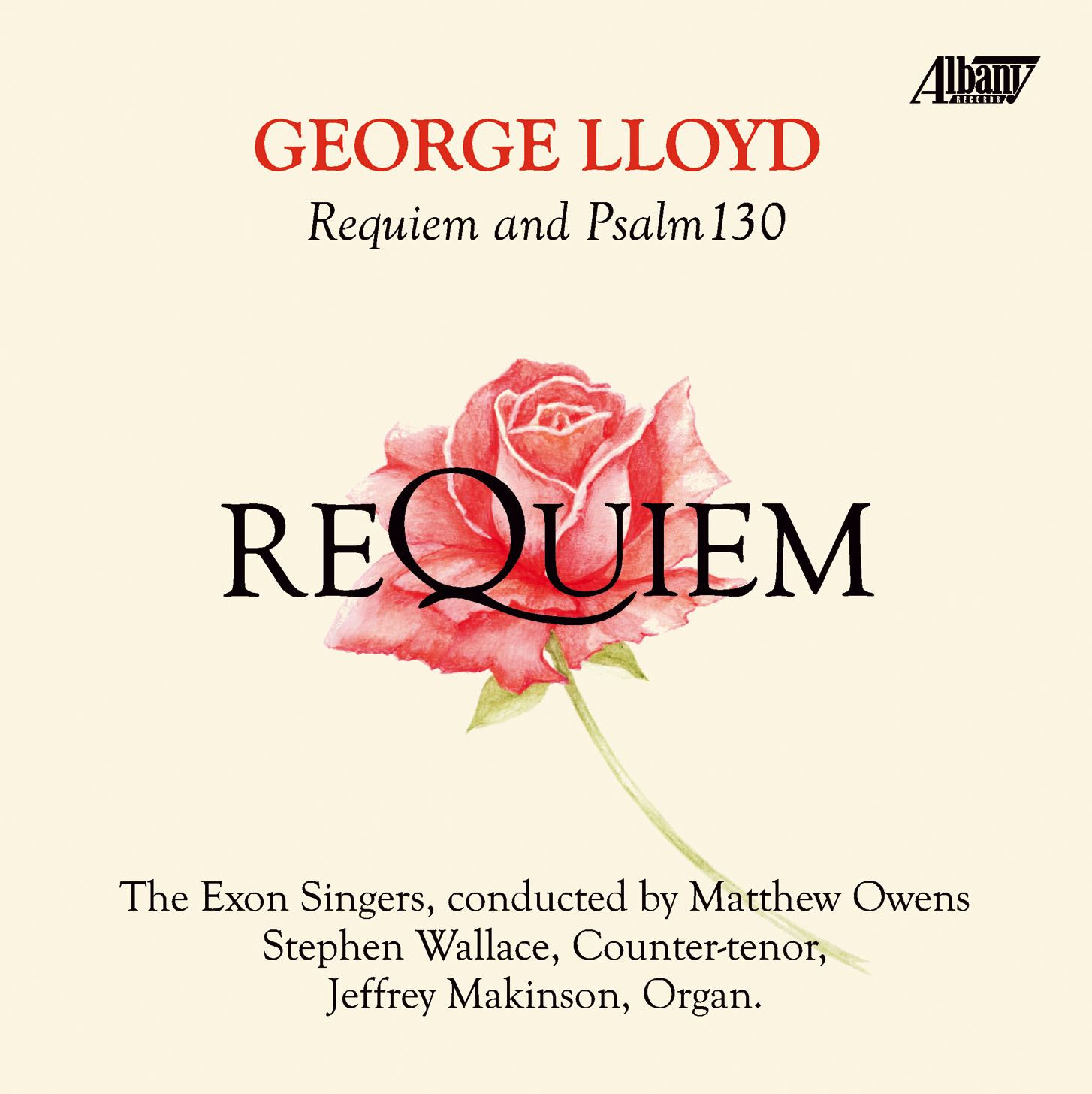
George Lloyd - Requiem - Audio Track
For Counter-tenor, choir and organ
George Lloyd's last work, completed a few weeks before his death.
This disc will be a compulsory acquisition for any Lloyd fan but it will also be lovingly appreciated by any admirer of the vocal music of Faure, Rutter or Holst. A lovely remembrance of a warm-hearted composer who wrote against the spirit of the times and whose music finally met success. His was a dazzling creativity that reached its apex in Symphonies No. 4 to no. 7 and the Pervigilium Veneris
Requiescat in pacem. Rob Barnett
'November Journeys' for 13 brass instruments.
Written after a train journey through England, visiting various cathedrals.
…this is a substantial brass work, one with a significantly wider range of colour and depth of emotion than one normally finds in this medium… winningly conducted by the composer .. the BBC Philharmonic clearly has a deep devotion for this man and his music … Albany’s sound quality is rich and warm … Fanfare
… an imposing piece, skilfully written for brass alone, personal, underivative and as accessible as anything he has written … Which CD
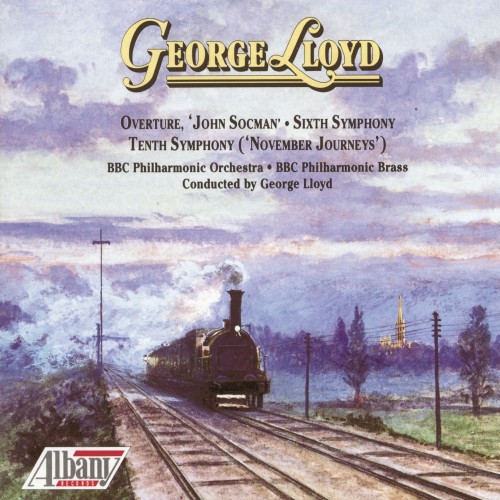
'Calma' from 'November Journeys'
For 13 Brass instruments
Written after a train journey through England, visiting various cathedrals.
…this is a substantial brass work, one with a significantly wider range of colour and depth of emotion than one normally finds in this medium… winningly conducted by the composer .. the BBC Philharmonic clearly has a deep devotion for this man and his music … Albany’s sound quality is rich and warm … Fanfare
… an imposing piece, skilfully written for brass alone, personal, underivative and as accessible as anything he has written … Which CD
The Arctic
Full Score of George Lloyd's 4th Symphony in PDF Format, with front cover and title page.
Intended for perusal by viewing on screen or for printing in A4 format.
Please note that an A3 printer and binder will be required in order to print in A3 size for performance.
This score is a typeset version of the original composer's manuscript.
Full Score of George Lloyd's 7th Symphony in PDF Format, with front cover and title page.
Intended for perusal by viewing on screen or for printing in A4 format.
Please note that an A3 printer and binder will be required in order to print in A3 size for performance.
This score is a typeset version of the original composer's manuscript.
Please note: This is a large score (30 Mb) so downloading may take a few minutes.
The score can be sent via Dropbox or WeTransfer on request.
This score is a scan of the original composer's manuscript, which he used for conducting.
Full Score in PDF Format, with front cover and title page,
intended for perusal by viewing on screen, or for printing in A4 format.
Please note that an A3 printer and binder will be required in order to print in A3 size.
The typeset edition (200 pages) is now available for download. See separate item.
Proserpine
Full Score of George Lloyd's 7th Symphony in PDF Format, with front cover and title page.
Intended for perusal by viewing on screen or for printing in A4 format.
Please note that an A3 printer and binder will be required in order to print in A3 size for performance.
This score is a typeset version of the original composer's manuscript. 200 pages.
The score is also available as a scan of the composer's manuscript. See separate item.
Full Score of George Lloyd's 9th Symphony in PDF Format, with front cover and title page,
intended for perusal by viewing on screen, or for printing in A4 format.
Please note that an A3 printer and binder will be required in order to print in A3 size.
This score is a scan of the original composer's manuscript, which he used for conducting.
Typeset versions are supplied where they are available.
George Lloyd writes: "During the summer of 1972 I wrote a number of piano pieces. I had been watching the yellow-robed, shaven-headed, chanting, bell-ringers dancing up and down Oxford Street, London.On the title page of "The Road through Samarkand" I added, "...with burning hearts they danced their way from Calais to Calcutta, but what did they find?".
The boisterous Road through Samarkand is a splashy and highly inventive toccata, written as a bravura solo piece for virtuoso John Ogdon, who gave the premiere performance in New York in 1972. The piece has been brilliantly expanded for the present performers, It has catchy syncopated touches but ends disconsolately (although with a final surge of energy) as the travellers fail to find salvation in the East. Played by Anthony Goldstone and Caroline Clemmow
Piano Solo.
This 21-minute work for solo piano is dedicated to George Lloyd’s wife, Nancy,
who nursed him back to health after traumatic injury sustained when HMS Trinidad was torpedoed in the Arctic.
The title refers to the book The Naked Ape by Desmond Morris, and George Lloyd stated that he 'wished to be counted among those who believed that we humans are more than superior animals, and that ‘another dimension must be added to explain our natures’ questioning Morris’s assertions that women played “little or no part in the evolutionary saga.”
Her Hair 1’ 58” Her Tongue 3’ 10” Her Eyes 3’ 27”
Her Brain 3’ 46” Her Mind 4’ 16” Her Soul 4’ 6”
21 minutes Available on Albany CD AR 004
Biographical background and context notes about this piece for solo piano.
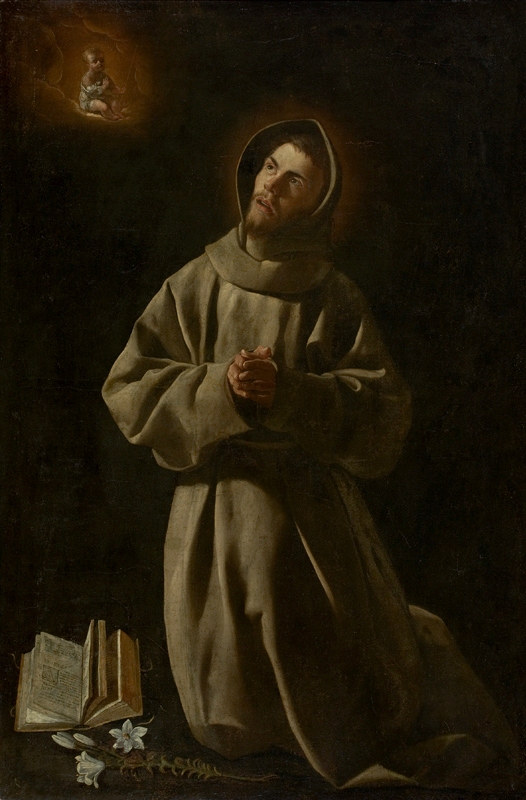
This is another in the series of piano pieces written in 1972. This one has a curious and macabre programme note: St Anthony dedicated his life to the poor and the sick. He was the patron saint for the recovery of lost items and is credited with many miracles involving lost people, lost things and even lost spiritual goods, The beggar in this story prays to St Anthony, but then dies while being harassed. George wrote on the score: "Maybe he found what he was looking for?"
This recording with Martin Roscoe on piano was the first record to be produced by George himself, in the early days of his exploration of the possibilities of digital recording.
Click the player to hear the track, or click the blue button to download.

Click the player to hear the track, or click the blue button (below right) to download.
The transcript is also available at https://georgelloyd.com/george-lloyd/press-features/interviews
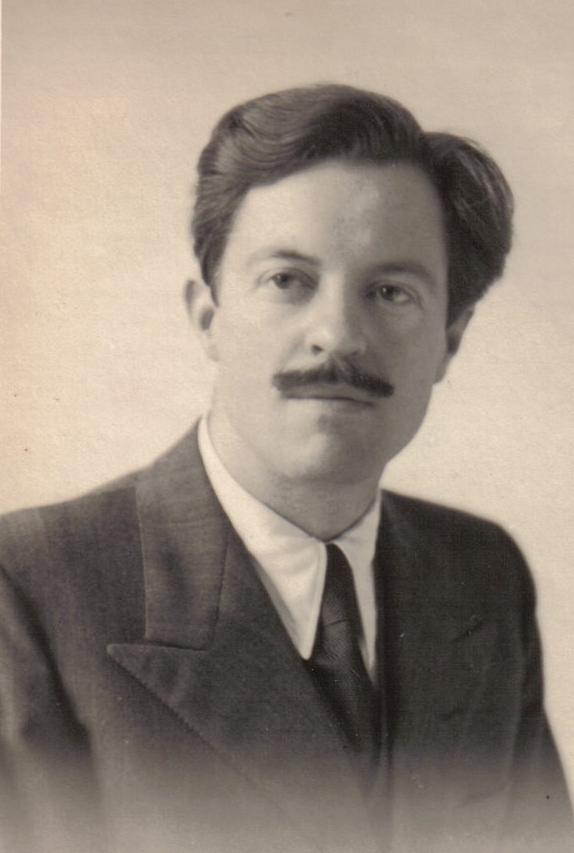
George Lloyd - Overture 'John Socman'
Small orchestra 5' 30"
George Lloyd was commissioned to write his third opera, 'John Socman' for the Festival of Britain in 1951. The production toured the UK with the Carl Rosa Company throughout 1951. In spite of severe production problems which resulted in the conductor and producer refusing to speak to each other, the opera was generally well received.
A stirring and intensely dramatic opera … it has tremendous vitality. Lloyd's work is grand, full of power and vision, culminating in a magnificent chorus. It deserves a permanent place in the repertory. The opera was given a most enthusiastic reception… The Stage
Mr Lloyd has, to his abundant credit, attempted to achieve a happy medium between modern idioms and traditional tunefulness. To put it another way, he has tried to give us a really “singable” and therefore entertaining opera. Glasgow Herald
Note: Recent web-based versions of Adobe Acrobat insist on rotating PDF files to landscape format, and then demanding an upgrade subscription to correct the orientation. If you have this problem please contact us and we will send scores by a 3rd party link.
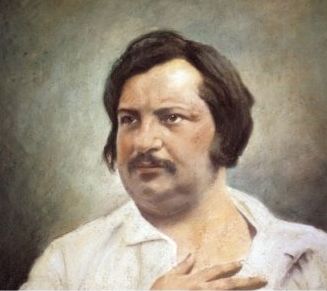
Martyrdom, magic, modernism and the music of other planets by Peter Davison
Peter Davison writes:
Much of my fascination for the music of George Lloyd stems from sympathy towards his struggle against modernist orthodoxy in the period after the Second World War, when his accessible and tuneful style fell badly out of fashion. It has long been a puzzle to me why, during the course of the twentieth century, so many composers became alienated from their audiences, and why melodious music was so thoughtlessly dismissed as hackneyed and out of date. In 2001, I even edited a collection of essays called Reviving the Muse, which explored this thorny subject in some detail. But could composers like George Lloyd have been badly misjudged? Could his middle-of-the-road aesthetics and traditional values become newly relevant in our own times? The question remains - what causes this continuing tension in our culture between old and new? I found some startling clues when I recently stumbled across Gambara, a story by the French writer Balzac. Its narrative accurately foreshadows many of the revolutionary developments in modern music and probes the moral, social and aesthetic controversies which have defined the modern era. My article below discusses Balzac’s prophetic tale of a composer whose idealism is slowly crushed by the cynical world that surrounds him, relating his experiences to our understanding of the true nature of genius and the continuing impact of Romanticism on our contemporary culture.
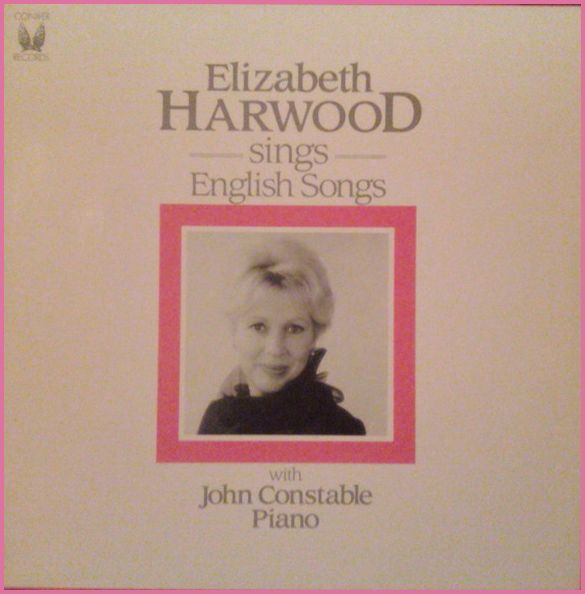
John G Deacon of Conifer Records commissioned a recital and recording of rare English songs by the late Elizabeth Harwood. He asked George Lloyd to write a song for Elizabeth and Lloyd obliged with a setting of "Wantage Bells" a poem by John Betjeman.
The copyright in the recording now belongs to The Elizabeth Harwood Memorial Trust, and Elizabeth's husband Julian Royle has kindly agreed to allow us to make the recording available to members of the George Lloyd Society Society.
Originally issued on vinyl LP CFRA 120, which is no longer available.
There is a beautiful holograph of the text of the poem, written on a watercolour painting by Betjeman himself, in the University of Victoria Library. The holograph can be magnified and downloaded, and Elizabeth Harwood's singing makes a fine accompaniment when studying the picture. Link to Betjeman drawing here:
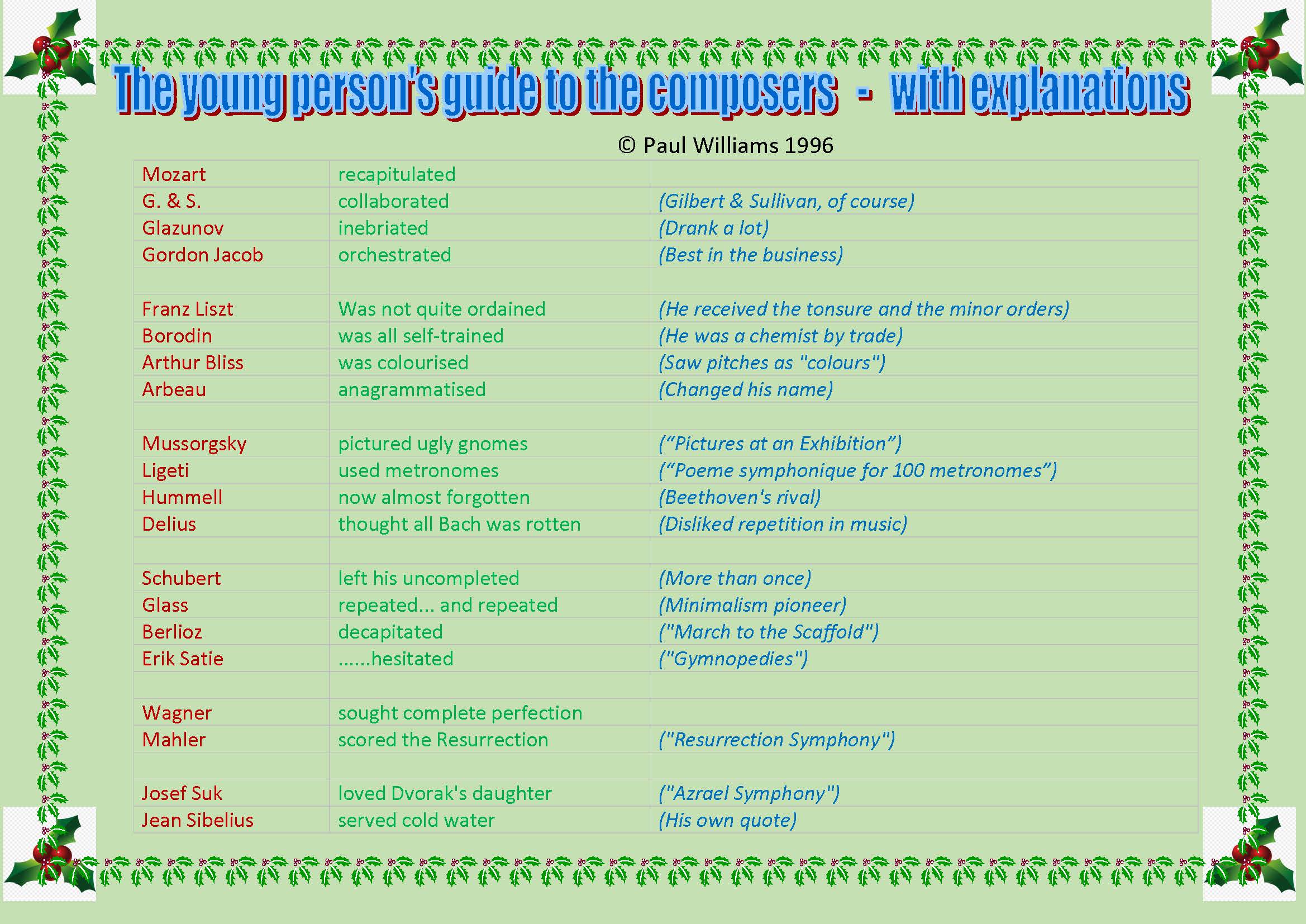
Felicitations of the Season to all our friends and followers.
Guide to composers
This 'Guide to the composers' turned up in our archive today, so I have made it into a greetings card to download.
(80 composers get the treatment - see pages 2 to 4 below.)
Best wishes for a peaceful Christmas, and hopes for Peace in the World in 2024...